What is SEO, and Why On-Page SEO is Crucial for Your Website’s Success.
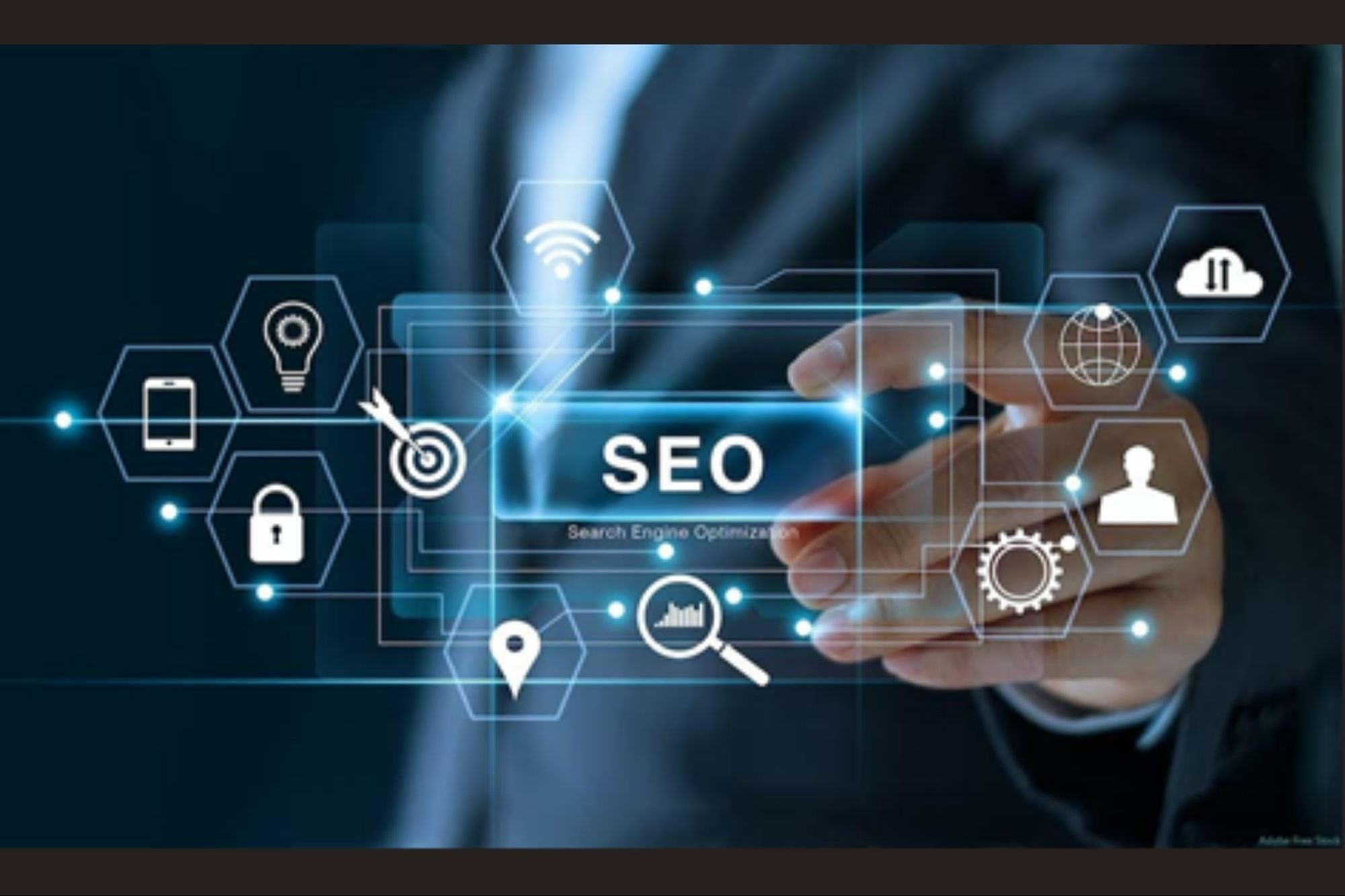
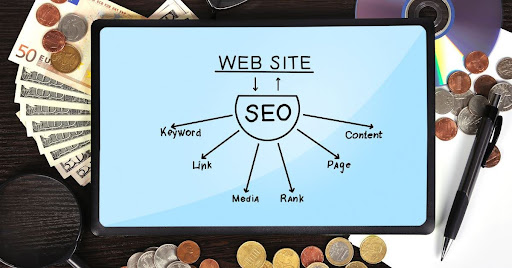
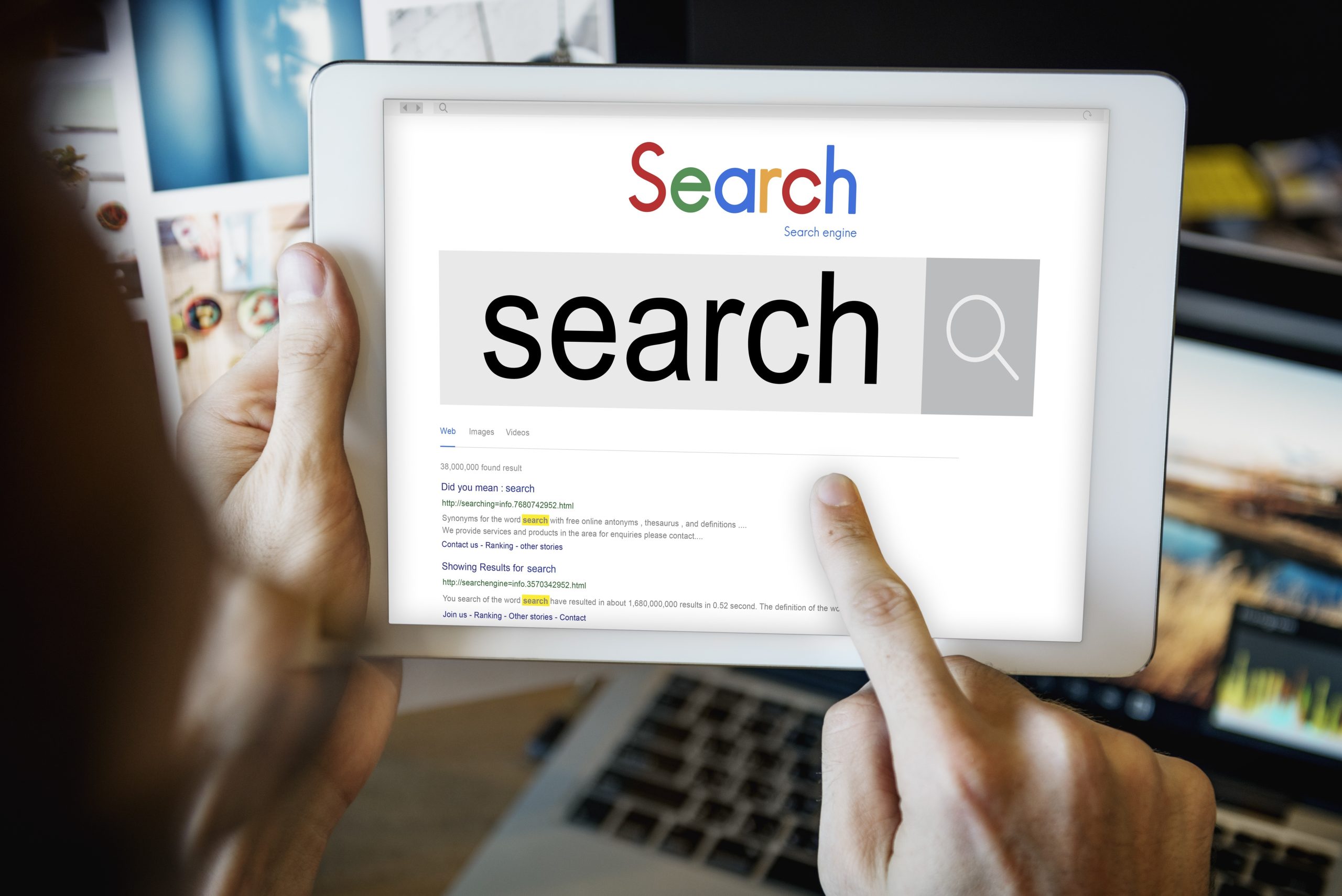
Search Engine Optimization is abbreviated as SEO. It is a long-run strategy to maximize your sites’ representation in the search engine results pages (SERPs). When a user enters a search inquiry in Google, Bing, or Yahoo, the search engine will present a list of websites that best match the search inquiry. SEO is the process of getting your site as high up the list as possible, organically (without paid ads).
Search Engines like Google use complex algorithms to look through billions of websites. They do hundreds of ranking factors, which are things like how fast your website is and whether your content matches what the user is looking for. SEO matters because it allows your website to be optimized so, in the eyes of competent search engines, your website results appear useful and relevant.
Why is SEO Important?
Without SEO, it’s like having a shop in the middle of a desert – no one will see it. SEO is essential, and here’s why.
- Increased Visibility: Higher rankings mean more eyes on your content.
- Organic Traffic: With SEO, free traffic with no advertisement payment, with long-term persistence is received.
- Brand Credibility: The higher the ranking of websites, the higher the trustworthiness.
- User Experience: SEO not only benefits Google; it enhances the use of the site through visitor interactions.
- Higher ROI: SEO has a higher ROI (when compared to paid advertisements) over the long run.
And of all the elements of SEO, it is the On-Page SEO that you can exercise the most control over.
On-Page SEO is defined as all the techniques you use on your website to optimize the site for higher rankings on a search engine. It differs from Off-Page SEO, which involves the use of links and social media promotion.
On-Page SEO aims to make your content, structure, and HTML source code more accepted by search engines. When well implemented, it makes the search engine robots and humans that have landed on your website completely understand what your website contains, or rather, what it is supposed to contain, and hence should be positioned high in ranks.
Key Elements of On-Page SEO
Let’s break down the essential elements of effective On-Page SEO:
High-Quality Content
The foundation of all good SEO is great content. Your content must be:
- Relevant to your audience
- Original and plagiarism-free
- Well-researched and informative
- Easy to read (use short paragraphs and clear language)
Use of keywords in your content is necessary, but keyword stuffing will, of course, just cost you your ranking. Google does not wish to be redundant in its value.
Title Tags
The title tag is what appears as the clickable headline on Google. It should:
- Include your primary keyword
- Be under 60 characters
- Be written in a way that encourages clicks
Example: “On-Page SEO Guide: How to Rank Higher in Google”
Meta Descriptions
Although meta descriptions don’t directly impact rankings, they influence click-through rate. It should:
- Be under 160 characters
- Summarise your content clearly
- Include your target keyword
Header Tags (H1, H2, H3…)
The structure of your content is derived through header tags, which are read by search engines.
- H1 is usually the main title of the page (used only once)
- H 2 and H 3 divide the text into divisions and subdivisions
Quality header arrangement enhances readability and search engine optimisation.
URL Structure
Search engines and users prefer short, clean URLs.
Bad URL: www.seofreshs.com/page?id=123
Good URL: www.seofreshs.com/on-page-seo-guide
Your URLs should:
- Include relevant keywords
- Avoid special characters or random numbers
- Be easy to read
Internal Linking
Linking to other pages of your website helps:
- Keep visitors engaged longer
- Distribute link equity
- Help search engines crawl your site better
If you are discussing SEO tools, link to a relevant article like “Best free seo tools for beginners.”
Image Optimization
Search engines can’t “see” images, so they rely on ALT text to understand them. Best practices include:
- Compress images to reduce load time
- Add descriptive ALT tags
- Use file names that describe the image (e.g., seo-graph.jpg)
Mobile-Friendliness
Google has mobile-first indexing; that is, your site is ranked based on the mobile version of your site as the first draft. Ensure the site:
- Responsive on all devices
- Easy to navigate on mobile
- Free of intrusive pop-ups
Site Speed
Slow or even non-existent download speeds can deter visitors and negatively impact your placement. Solve Speed by:
- Using compressed images
- Leveraging browser caching
- Minimizing CSS and JavaScript
Analyze the performance using such tools as Google PageSpeed Insights or GTmetrix.
Schema Markup (Structured Data)
A schema is a type of code that helps search engines understand your content better. For example:
- Articles
- Reviews
- Events
- FAQs
Such information is listed in the SERPs, giving you a bigger chance of having the star ratings, images, or FAQs displayed directly in search results.
Final Thoughts
SEO is not a fancy acronym but rather the spine of Internet presence. And it has loads of things to it; however, ON-Page follow-through is the piece that you have complete control over. Whether it is the contents or the computerized installation, every single detail may influence the performance of your site drastically.
When it comes to optimising your site (blog, business, or service-based site), On-Page SEO is a crucial aspect that requires significant time and effort to implement effectively. Start optimising now and see your rankings improve tomorrow.